
Sermorelin Peptide: Research Applications, Mechanism, and Scientific Interest
What Is Sermorelin?
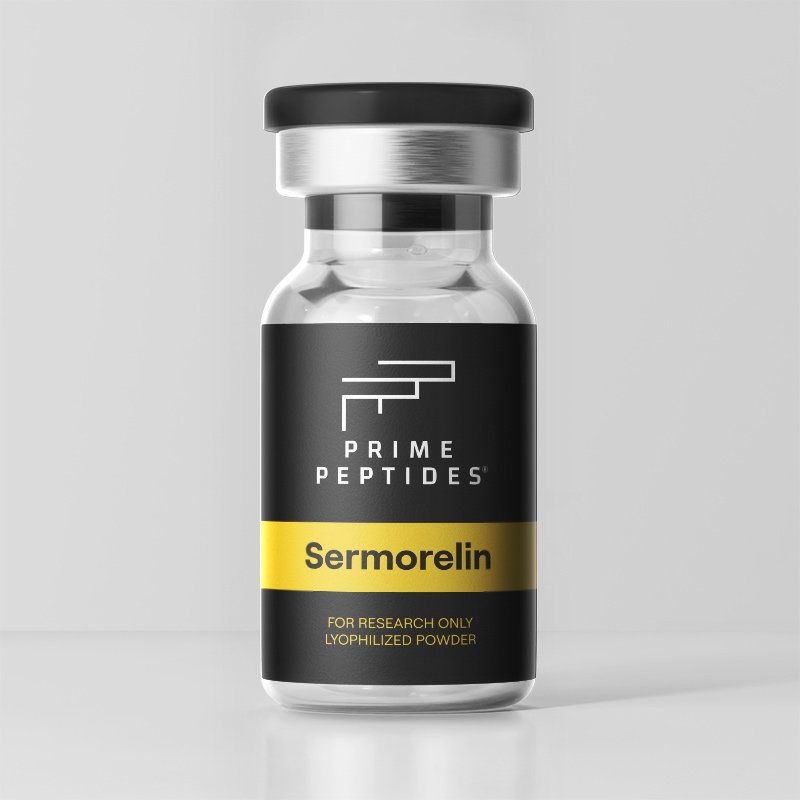
Sermorelin is a synthetic peptide consisting of the first 29 amino acids of growth hormone-releasing hormone (GHRH), the naturally occurring hormone responsible for stimulating growth hormone production in the pituitary gland. Due to its structural similarity to endogenous GHRH, Sermorelin has become an important subject of scientific investigation in endocrinology, metabolism, and growth hormone research.
Researchers have studied Sermorelin for its ability to activate the body’s natural growth hormone pathways rather than directly introducing external growth hormone. This mechanism has generated significant interest in both laboratory and clinical research settings where hormonal regulation and physiological responses are being examined.
How Does Sermorelin Work?
Sermorelin functions by binding to growth hormone-releasing hormone receptors located in the anterior pituitary gland. When these receptors are activated, the pituitary is signaled to release growth hormone naturally.
This process closely mirrors the body’s normal hormonal regulation system. Unlike exogenous growth hormone administration, Sermorelin stimulates endogenous production through physiological pathways. Researchers continue to investigate how this mechanism may influence growth hormone pulsatility, metabolic function, tissue repair, and other biological processes.
The peptide’s targeted activity has made it a valuable tool in studies focused on endocrine function and hormonal balance.
Key Features of Sermorelin
Growth Hormone-Releasing Hormone Analog
Sermorelin is designed to mimic the action of naturally occurring GHRH, making it a useful research compound for studying growth hormone regulation.
Targeted Pituitary Stimulation
Rather than supplying growth hormone directly, Sermorelin encourages the pituitary gland to release growth hormone through natural signaling pathways.
Short Peptide Structure
With only 29 amino acids, Sermorelin represents the biologically active portion of GHRH, allowing researchers to focus on the key region responsible for receptor activation.
Extensively Studied Compound
Sermorelin has been examined in numerous scientific studies related to endocrinology, growth hormone physiology, and metabolic research.
Potential Areas of Research Interest
Growth Hormone Regulation
One of the primary research applications of Sermorelin involves investigating the mechanisms that control growth hormone secretion. Scientists use the peptide to better understand hormonal feedback systems and pituitary responsiveness.
Metabolic Function Research
Growth hormone plays a significant role in metabolism. Researchers continue to explore how growth hormone stimulation through Sermorelin may influence metabolic pathways, energy utilization, and body composition-related processes.
Recovery and Tissue Studies
Growth hormone is involved in cellular regeneration and tissue maintenance. As a result, Sermorelin is frequently included in research examining repair mechanisms and physiological recovery processes.
Healthy Aging Research
Age-related changes in growth hormone production have attracted scientific attention for decades. Researchers investigate Sermorelin as part of broader studies examining hormonal changes associated with aging and overall physiological function.
Endocrine System Studies
The peptide is often utilized in research designed to better understand communication between the hypothalamus, pituitary gland, and peripheral tissues within the endocrine system.
Why Researchers Study Sermorelin
Researchers are particularly interested in Sermorelin because it supports investigation of the body’s natural hormonal signaling mechanisms. Instead of bypassing normal endocrine regulation, Sermorelin works within established physiological pathways.
This characteristic allows scientists to evaluate:
- Pituitary gland responsiveness
- Growth hormone secretion patterns
- Hormonal feedback mechanisms
- Neuroendocrine signaling pathways
- Metabolic regulation processes
- Growth hormone-related biological functions
Its well-documented mechanism of action has contributed to its ongoing popularity in peptide research.
Sermorelin Compared to Growth Hormone
Although Sermorelin and growth hormone are closely related, they function differently.
| Feature | Sermorelin | Growth Hormone |
|---|---|---|
| Mechanism | Stimulates natural GH release | Direct hormone administration |
| Target | Pituitary gland receptors | Systemic tissues |
| Hormonal Regulation | Utilizes natural pathways | Bypasses pituitary stimulation |
| Research Focus | Endocrine signaling | Hormone replacement effects |
| Peptide Type | GHRH analog | Growth hormone protein |
These differences make Sermorelin particularly valuable for studying endogenous hormone production and regulatory mechanisms.
Research Handling and Storage
Like many peptide compounds, Sermorelin requires careful handling during research activities. Proper storage helps preserve peptide stability and integrity.
Researchers typically recommend:
- Storing lyophilized material according to manufacturer specifications
- Protecting the peptide from excessive heat and moisture
- Using sterile laboratory techniques
- Following validated research protocols
- Maintaining accurate research documentation
Adherence to proper handling procedures helps support consistent experimental outcomes.
Quality Matters in Peptide Research
The quality and purity of peptide compounds are essential considerations in scientific studies. Researchers often seek products that undergo rigorous analytical testing and quality-control procedures.
Important quality indicators may include:
- Batch-specific testing
- Purity verification
- Analytical documentation
- Controlled manufacturing standards
- Reliable storage and shipping practices
Using high-quality research materials helps improve consistency and reliability across experimental investigations.
The Growing Interest in Sermorelin Research
As peptide science continues to expand, Sermorelin remains one of the most widely recognized compounds within growth hormone research. Its ability to engage natural endocrine pathways makes it a valuable tool for scientists studying hormonal regulation, metabolism, recovery processes, and neuroendocrine function.
Ongoing research continues to explore the broader implications of growth hormone-releasing hormone analogs and their role in understanding complex physiological systems. While scientific interest remains strong, researchers acknowledge that further investigation is necessary to fully understand the long-term effects and potential applications of compounds such as Sermorelin.
Conclusion
Sermorelin is a synthetic GHRH analog that stimulates natural growth hormone release through activation of pituitary receptors. Its unique mechanism, extensive research history, and relevance to endocrine science have made it a significant peptide in modern research settings.
From growth hormone regulation and metabolic studies to healthy aging and neuroendocrine investigations, Sermorelin continues to play an important role in advancing scientific understanding. As research progresses, this peptide remains a valuable subject of study for laboratories and researchers exploring the intricate relationships between hormones, metabolism, and physiological function.