

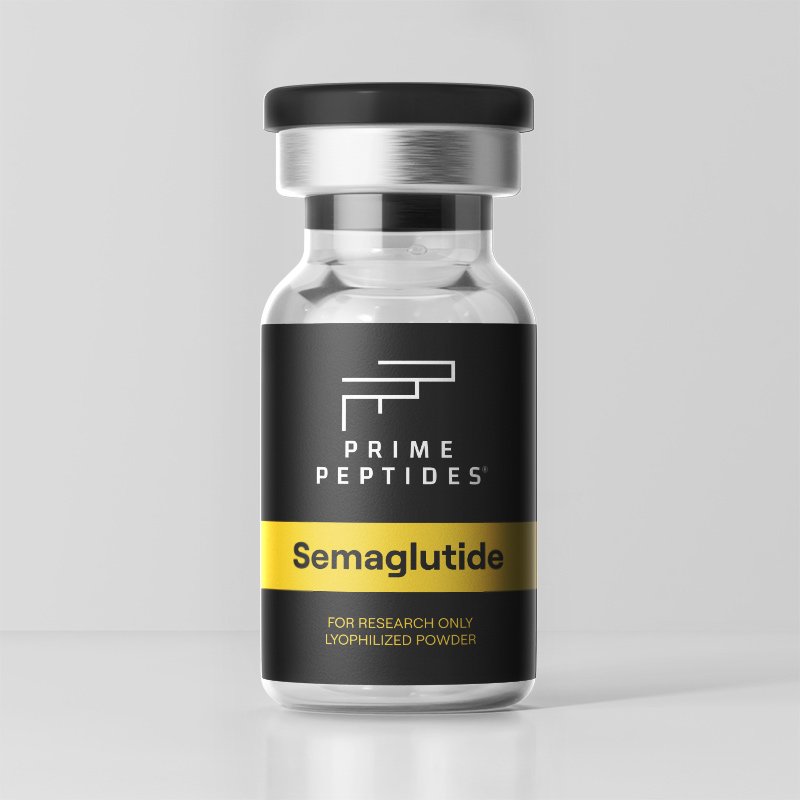
Semaglutide: A Comprehensive Guide to This Innovative Peptide
What Is Semaglutide?
Semaglutide is a synthetic peptide that belongs to a class of compounds known as glucagon-like peptide-1 (GLP-1) receptor agonists. It was developed to mimic the activity of the naturally occurring GLP-1 hormone, which plays a key role in regulating blood sugar levels, appetite, and digestion. Due to its unique mechanism of action, Semaglutide has become a significant focus of scientific and medical research.
Researchers and healthcare professionals have shown considerable interest in Semaglutide because of its ability to influence metabolic processes and support healthy glucose regulation. Its long-lasting activity allows it to remain effective in the body for extended periods, making it an important advancement in peptide-based therapies.
How Does Semaglutide Work?
Semaglutide works by activating GLP-1 receptors throughout the body. These receptors are involved in several physiological functions related to metabolism and appetite regulation.
When GLP-1 receptors are stimulated, Semaglutide may help support insulin release in response to elevated blood glucose levels while reducing the secretion of glucagon, a hormone that raises blood sugar. It also slows gastric emptying, which can contribute to prolonged feelings of fullness after meals.
Additionally, research suggests that Semaglutide may influence appetite-regulating centers within the brain, helping to reduce hunger signals and support healthier eating patterns.
Key Features of Semaglutide
Long-Acting Peptide Technology
One of the defining characteristics of Semaglutide is its extended duration of action. Unlike some peptides that require frequent administration, Semaglutide was engineered to remain active in the body for a longer period, allowing for less frequent dosing protocols.
High Purity and Research Quality
Research-grade Semaglutide is typically manufactured under strict quality-control standards. High-quality products undergo extensive testing to verify purity, identity, and consistency, ensuring reliable performance for research applications.
Advanced GLP-1 Receptor Activity
Semaglutide is specifically designed to target GLP-1 receptors, making it a highly selective peptide with well-documented biological activity. This targeted approach has contributed to its popularity in metabolic and endocrine research.
Potential Research Applications of Semaglutide
Metabolic Research
Semaglutide has become a valuable tool in studies examining metabolic regulation. Researchers investigate how GLP-1 receptor activation may influence energy balance, nutrient utilization, and overall metabolic function.
Glucose Regulation Studies
One of the primary areas of interest involves the peptide’s effects on glucose metabolism. Scientists continue exploring how Semaglutide may contribute to healthy insulin signaling and blood sugar management mechanisms.
Appetite and Satiety Research
Research has demonstrated that GLP-1 receptor agonists can influence hunger and satiety pathways. Semaglutide is frequently studied for its potential role in understanding appetite control and feeding behaviors.
Weight Management Investigations
Due to its effects on appetite and caloric intake, Semaglutide has attracted attention in studies related to body weight regulation and metabolic health. Ongoing research seeks to better understand the mechanisms responsible for these observations.
Benefits of Semaglutide in Scientific Research
Consistent Biological Activity
The peptide’s extended half-life provides stable receptor activation over time, making it particularly useful in controlled research environments.
Well-Studied Mechanism of Action
Compared with many emerging peptides, Semaglutide has been extensively investigated, resulting in a substantial body of scientific literature that supports ongoing research efforts.
Broad Research Potential
Semaglutide is relevant to multiple scientific disciplines, including endocrinology, obesity research, metabolism, nutrition science, and peptide pharmacology.
Reliable Performance
When sourced from reputable suppliers, research-grade Semaglutide offers consistent purity and quality, supporting reproducible experimental outcomes.
Why Researchers Choose Semaglutide
The growing popularity of Semaglutide can be attributed to its unique combination of potency, selectivity, and long-lasting activity. Researchers value compounds that produce measurable biological effects while maintaining predictable pharmacological profiles.
Semaglutide’s ability to interact with key metabolic pathways has made it one of the most widely studied GLP-1 receptor agonists available today. Its role in supporting investigations into glucose metabolism, appetite regulation, and energy balance continues to drive scientific interest.
Furthermore, its extensive documentation in peer-reviewed literature provides researchers with valuable reference material when designing studies and evaluating outcomes.
Quality Considerations When Purchasing Semaglutide
Selecting high-quality Semaglutide is essential for obtaining reliable research results. Researchers should look for products that include:
- Third-party purity testing
- Batch-specific documentation
- Certificates of analysis
- Proper storage recommendations
- Transparent manufacturing standards
Working with trusted peptide suppliers helps ensure product integrity and consistency across research projects.
Storage and Handling
Proper storage is important for maintaining peptide stability and performance. Semaglutide should be handled according to supplier recommendations and stored under appropriate conditions to preserve its quality.
Researchers typically follow established laboratory protocols regarding peptide preparation, storage temperatures, and handling procedures to minimize degradation and maintain experimental accuracy.
Conclusion
Semaglutide is a highly regarded GLP-1 receptor agonist peptide that has transformed the landscape of metabolic and peptide research. Its unique ability to support glucose regulation, influence appetite pathways, and provide long-lasting receptor activity has made it a cornerstone of ongoing scientific investigation.
As interest in peptide-based solutions continues to grow, Semaglutide remains one of the most extensively studied and promising compounds in the field. Whether used in metabolic, endocrine, or appetite-related research, its well-characterized mechanism of action and broad research applications make it an invaluable tool for advancing scientific understanding.