

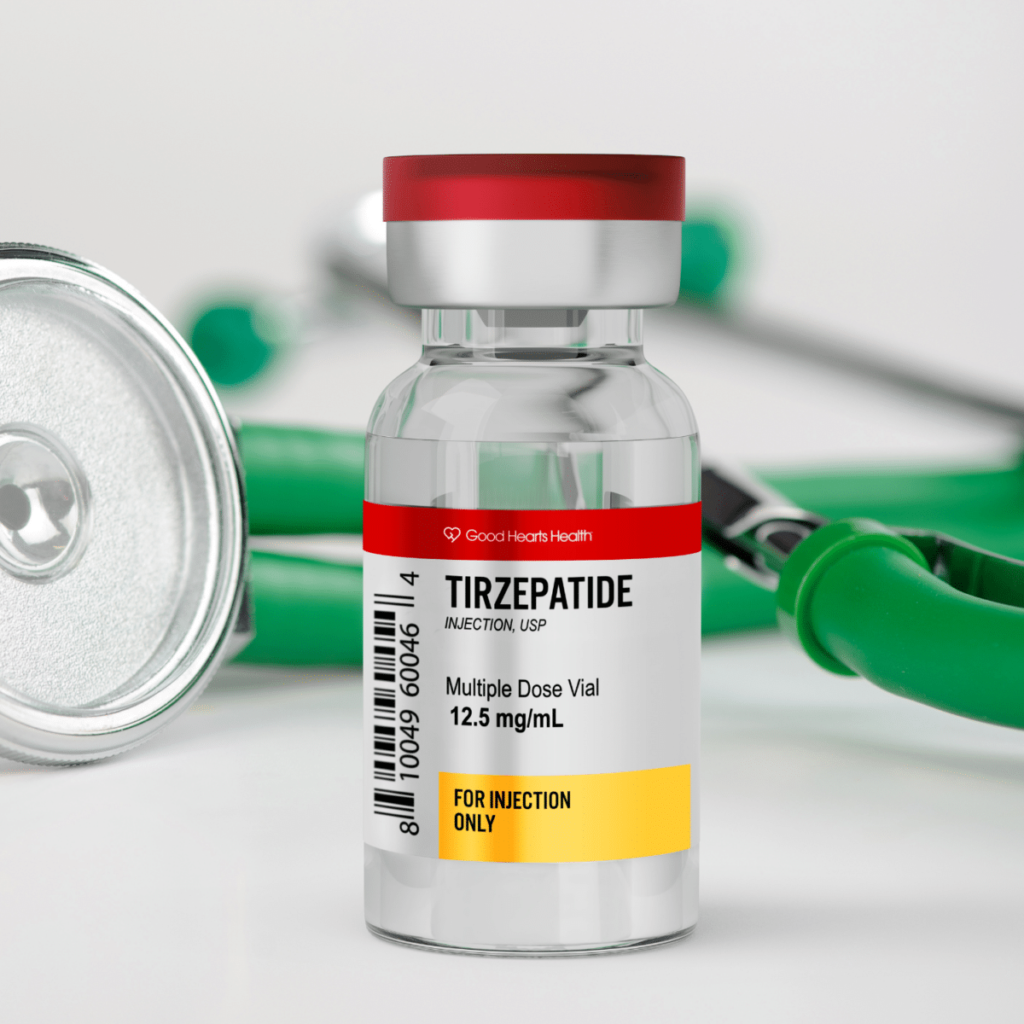
How Many Units Is 2.5 mg of Tirzepatide? Understanding the Conversion
Introduction: Understanding Tirzepatide Measurements
Tirzepatide has gained significant attention in peptide and metabolic research due to its unique mechanism of action and its relationship with GLP-1 and GIP receptor pathways. One common question people search for is: “How many units is 2.5 mg of tirzepatide?”
The answer depends on the concentration of the prepared solution. Milligrams (mg) measure the amount of the active compound, while units on an insulin syringe measure the volume of liquid being drawn. Because different preparations may have different concentrations, there is no single universal unit conversion for 2.5 mg of tirzepatide.
Understanding the difference between these measurements is essential for accurate research documentation and safe handling.
What Is the Difference Between mg and Units?
Milligrams (mg): Measuring the Peptide Amount
A milligram is a measurement of weight. When referring to tirzepatide, the mg amount indicates how much of the peptide compound is present.
For example, a label showing 2.5 mg of tirzepatide refers to the total quantity of the active ingredient.
Units: Measuring Liquid Volume
Units on a syringe do not measure the amount of peptide itself. Instead, they represent the volume of liquid in the syringe.
For example, an insulin syringe may display markings in units, but those markings only indicate how much solution is being measured. The actual amount of tirzepatide depends on the concentration of the solution.
How Do You Convert Tirzepatide mg to Syringe Units?
To understand the relationship between milligrams and syringe units, you need two pieces of information:
- The total amount of tirzepatide in the vial (mg)
- The total volume of liquid used to prepare the solution (mL)
The concentration is calculated by determining how many milligrams of tirzepatide are present in each milliliter of solution.
Once the concentration is known, the amount of liquid volume can be calculated. Since syringe unit markings represent volume, the final number of units depends entirely on the specific preparation.
Why There Is No Universal Unit Conversion for 2.5 mg Tirzepatide
A common misunderstanding is assuming that a specific mg amount always equals the same number of syringe units. However, this is not accurate because preparations can vary.
For example, two solutions may both contain 2.5 mg of tirzepatide but have different liquid volumes. Since the concentration changes, the corresponding syringe units would also change.
This is why checking the product information, preparation details, and concentration is necessary before making any conversion.
Factors That Affect Tirzepatide Measurement
Several factors influence how tirzepatide measurements are interpreted:
Peptide Concentration
The concentration determines how much tirzepatide is present in a specific volume of liquid. Higher concentrations contain more peptide per milliliter compared with lower concentrations.
Reconstitution Volume
If a peptide is prepared with different amounts of diluent, the final concentration changes. The same amount of tirzepatide can result in different measurements depending on the preparation volume.
Syringe Type and Scale
Different syringes may have different measurement markings. Understanding the syringe scale is important when documenting volumes accurately.
Common Questions About Tirzepatide Measurements
Is 2.5 mg the Same as 2.5 Units?
No. Milligrams and units measure different things. Milligrams refer to the amount of peptide, while units refer to liquid volume.
Can You Convert Tirzepatide mg Directly Into Units?
No. A direct conversion is not possible without knowing the solution concentration.
Why Do People Confuse mg and Units?
Many injectable compounds are discussed using both mg and syringe units, which can create confusion. However, these measurements describe different properties and should not be treated as interchangeable.
The Importance of Accurate Peptide Documentation
For research purposes, accurate records are essential. Documentation should include:
- Peptide amount
- Preparation details
- Concentration information
- Storage conditions
- Laboratory testing information
Keeping clear records helps maintain consistency and improves reliability when studying peptide compounds.
Conclusion: Understanding Tirzepatide Measurements
The question “How many units is 2.5 mg of tirzepatide?” cannot be answered without knowing the concentration of the solution. Milligrams describe the amount of tirzepatide, while syringe units describe liquid volume.
Understanding the difference between these measurements helps prevent confusion and improves accuracy when working with peptide-related information. Always refer to verified product details and preparation information when interpreting tirzepatide measurements.
As research into tirzepatide and related peptides continues to develop, clear knowledge of measurement terminology remains an important part of responsible peptide science.