

How Much Bac Water for 10mg Retatrutide? A Research Guide to Reconstitution Basics
Understanding 10mg Retatrutide and Bacteriostatic Water
Retatrutide is an investigational peptide that has gained significant attention in scientific research due to its unique activity involving multiple metabolic pathways. As research interest in peptides continues to grow, proper understanding of peptide handling, storage, and reconstitution principles has become an important topic among researchers.
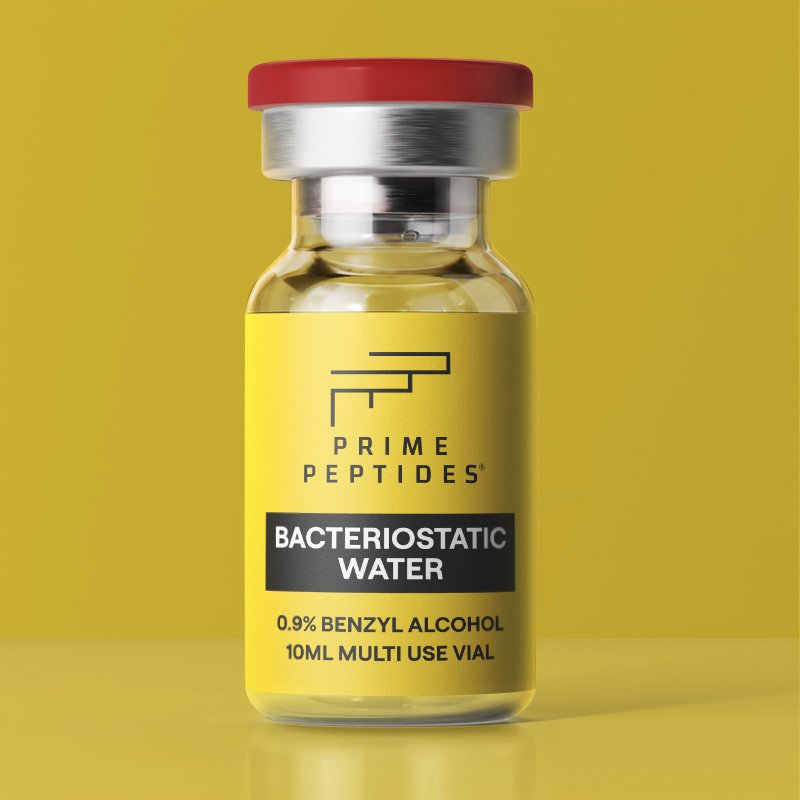
Bacteriostatic water (often called bac water) is commonly used in laboratory peptide research as a sterile diluent containing water and a small amount of benzyl alcohol. It is designed to help maintain sterility during repeated withdrawals when used according to appropriate research protocols.
The amount of bacteriostatic water used with a 10mg retatrutide peptide vial depends on research requirements, desired concentration, and the specific protocol being followed. There is no single universal volume that applies to every research setting.
What Factors Determine How Much Bac Water Is Needed for 10mg Retatrutide?
When considering reconstitution of a 10mg retatrutide vial, researchers generally evaluate several important factors:
1. Desired Peptide Concentration
The amount of bac water added determines the final concentration of the peptide solution. A smaller volume creates a more concentrated solution, while a larger volume creates a more diluted solution.
For example, researchers may select different dilution volumes depending on the concentration needed for their analytical or laboratory work.
Common considerations include:
- Required concentration for research procedures
- Laboratory measurement requirements
- Storage considerations
- Compatibility with research methods
Understanding concentration calculations is an essential part of peptide research preparation.
2. Research Protocol Requirements
Every research project may have different requirements. Scientists typically follow established laboratory procedures that define:
- Peptide concentration targets
- Dilution methods
- Storage conditions
- Testing procedures
Because research protocols vary, the correct amount of bacteriostatic water should always be determined according to the specific experimental design.
How Is Peptide Concentration Calculated?
The final concentration of a peptide solution depends on the amount of peptide present and the volume of liquid added.
The general calculation formula is:
Peptide amount ÷ Total liquid volume = Final concentration
For example, a 10mg vial contains 10 milligrams of peptide. Adding different amounts of bacteriostatic water will create different concentrations, which researchers can calculate based on their intended use.
Accurate calculations help ensure consistency and repeatability during scientific experiments.
Why Proper Reconstitution Matters in Peptide Research
Correct preparation techniques are essential when working with research peptides. Proper reconstitution can help maintain peptide stability, accuracy, and consistency throughout laboratory studies.
Important factors include:
Maintaining Peptide Stability
Peptides can be sensitive biological compounds. Proper handling, storage, and preparation methods help preserve their integrity.
Ensuring Accurate Research Results
Consistent concentrations allow researchers to compare results more effectively and maintain reliable experimental conditions.
Supporting Laboratory Documentation
Detailed records of preparation methods, concentrations, and storage conditions are important parts of quality research practices.
Storage Considerations After Reconstitution
Once a peptide has been prepared for research purposes, appropriate storage conditions are important for maintaining quality.
Researchers commonly consider:
- Temperature control
- Protection from excessive light exposure
- Proper labeling
- Minimizing unnecessary handling
- Following laboratory storage guidelines
Storage practices may vary depending on research requirements and the characteristics of the peptide being studied.
Common Questions About 10mg Retatrutide Reconstitution
Can Any Amount of Bac Water Be Added to a 10mg Retatrutide Vial?
The volume selected depends on the intended research concentration. Different laboratories may use different dilution approaches based on their experimental needs.
Does More Bac Water Change the Amount of Peptide?
Adding more bacteriostatic water does not change the total amount of peptide in the vial. It only changes the concentration of the solution.
Why Do Researchers Calculate Concentration Before Reconstitution?
Calculating concentration beforehand helps researchers create consistent solutions and accurately plan laboratory procedures.
Importance of Using Quality Research Materials
High-quality research depends on reliable materials and accurate documentation. When working with peptides such as retatrutide, researchers typically prioritize:
- Verified peptide identity
- Purity testing information
- Batch documentation
- Proper handling procedures
- Reliable laboratory supplies
These factors contribute to improved consistency and confidence in scientific investigations.
Conclusion: Understanding Bac Water and 10mg Retatrutide
Determining how much bacteriostatic water is needed for a 10mg retatrutide vial depends on the desired concentration and specific research requirements. Rather than using a single standard amount, researchers calculate the appropriate dilution based on their experimental goals.
Understanding peptide concentration, reconstitution principles, and proper handling practices is essential for maintaining reliable research conditions. As interest in peptide science continues to expand, accurate preparation methods remain a key part of responsible laboratory research and documentation.