

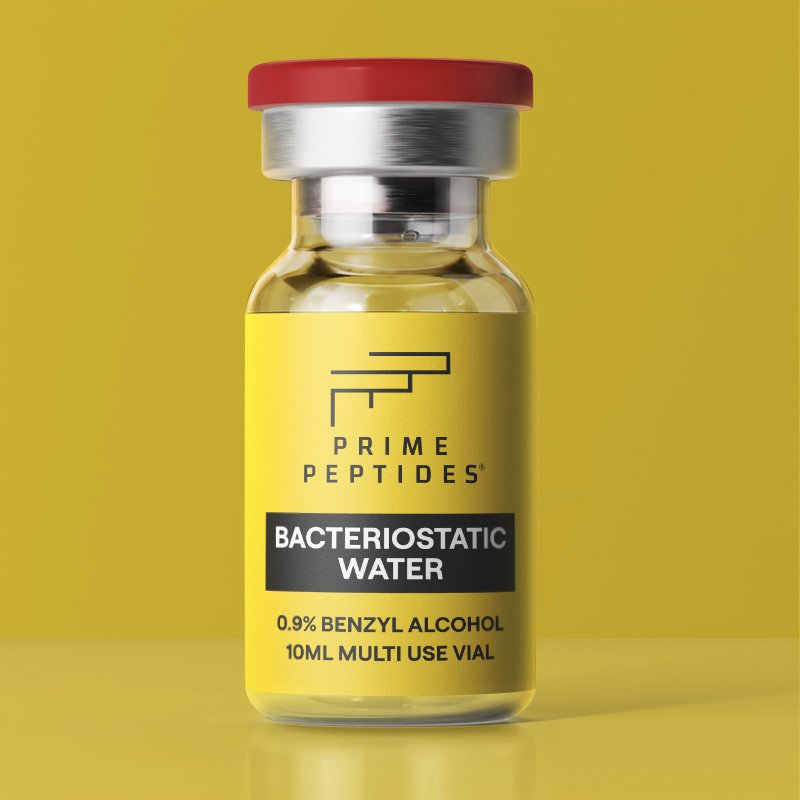
BAC Water: Essential Bacteriostatic Water for Peptide and Research Applications
What Is BAC Water?
BAC Water, short for Bacteriostatic Water, is a sterile, non-pyrogenic water solution commonly used in research and laboratory environments for reconstituting peptides and other compounds. It contains a small amount of benzyl alcohol, typically 0.9%, which acts as a bacteriostatic preservative to help inhibit the growth of bacteria after the vial has been opened.
Because of its sterile composition and preservative properties, BAC Water is widely used when multiple withdrawals from the same vial may be required. Researchers value its convenience, reliability, and compatibility with a variety of peptide preparations.
How BAC Water Works
The primary function of BAC Water is to serve as a sterile diluent for reconstituting lyophilized (freeze-dried) compounds. The addition of benzyl alcohol helps reduce the risk of bacterial contamination during repeated use, making it a practical choice in controlled laboratory settings.
Unlike standard sterile water, which is typically intended for single-use applications, BAC Water offers enhanced usability for multi-dose preparations. This feature makes it particularly useful in research environments where precision and consistency are essential.
Key Features of BAC Water
Sterile and Non-Pyrogenic
BAC Water is manufactured under strict quality standards to ensure sterility and freedom from pyrogens. This helps maintain the integrity of research compounds during preparation and handling.
Contains Benzyl Alcohol
The small concentration of benzyl alcohol acts as a preservative, helping inhibit bacterial growth within the vial after opening. This allows researchers to use the product for multiple withdrawals when handled properly.
Ideal for Reconstitution
Many peptides and research compounds are supplied in lyophilized form. BAC Water provides an effective solution for reconstituting these materials while maintaining consistency and accuracy.
Convenient Multi-Use Format
Because of its bacteriostatic properties, BAC Water is often preferred when a reconstituted solution may need to be accessed multiple times during a study or research project.
Common Uses of BAC Water
Peptide Reconstitution
One of the most common applications of BAC Water is the reconstitution of research peptides. Freeze-dried peptides require a sterile liquid before they can be utilized in laboratory studies, and BAC Water is frequently chosen for this purpose.
Laboratory Research
Scientific laboratories use BAC Water as a reliable diluent for preparing solutions, conducting experiments, and supporting research protocols that require sterile conditions.
Compound Preparation
Researchers often rely on BAC Water when preparing compounds that require accurate dilution and consistent handling. Its sterile composition helps support dependable research outcomes.
BAC Water vs. Sterile Water
Preservative Content
The primary difference between BAC Water and sterile water is the presence of benzyl alcohol. BAC Water contains a preservative that helps prevent bacterial growth, while sterile water does not.
Multi-Dose Capability
BAC Water is often suitable for multiple withdrawals from the same vial when proper sterile techniques are followed. Sterile water is generally intended for single-use applications.
Research Convenience
For ongoing research projects, BAC Water can offer greater convenience by reducing waste and allowing repeated access to reconstituted compounds.
Benefits of Using BAC Water
Supports Sterile Handling
Maintaining sterility is essential in research environments. BAC Water is designed to support sterile preparation and handling procedures.
Helps Reduce Contamination Risk
The bacteriostatic preservative helps inhibit bacterial growth, making BAC Water a trusted option for laboratory use when multiple withdrawals are required.
Compatible with Research Peptides
Many peptide researchers choose BAC Water because it is widely recognized as an effective reconstitution medium for lyophilized peptides and related compounds.
Reliable and Consistent
High-quality BAC Water provides dependable performance, helping researchers maintain consistency throughout their studies and experimental procedures.
Proper Storage and Handling
To maintain quality and sterility, BAC Water should be stored according to manufacturer recommendations. Researchers should always use sterile equipment and proper laboratory techniques when withdrawing solution from the vial.
Important handling practices include:
- Keeping the vial sealed when not in use
- Using sterile syringes and needles
- Avoiding contamination of the stopper
- Storing under recommended conditions
- Discarding the product if contamination is suspected
Following proper procedures helps preserve the integrity of both the BAC Water and the compounds being prepared.
Why Researchers Choose BAC Water
Researchers value BAC Water because it combines sterility, convenience, and reliability in a single solution. Its preservative system helps support repeated use while maintaining a controlled research environment.
Whether reconstituting peptides, preparing laboratory solutions, or supporting scientific studies, BAC Water remains one of the most widely used diluents in peptide research. Its ability to help minimize contamination concerns while offering practical multi-use functionality makes it an essential component in many research settings.
Conclusion
BAC Water is a sterile bacteriostatic solution designed to support peptide reconstitution, compound preparation, and laboratory research applications. With the addition of benzyl alcohol, it offers protection against bacterial growth and provides greater flexibility than standard sterile water.
For researchers seeking a dependable diluent for lyophilized peptides and other research compounds, BAC Water delivers the quality, consistency, and convenience needed to support accurate and efficient laboratory work. Its trusted role in peptide research continues to make it a valuable resource for laboratories and scientific professionals worldwide.
Reviews
There are no reviews yet.