
BPC-157 Peptide: Research Applications, Properties, and Scientific Interest
What Is BPC-157?
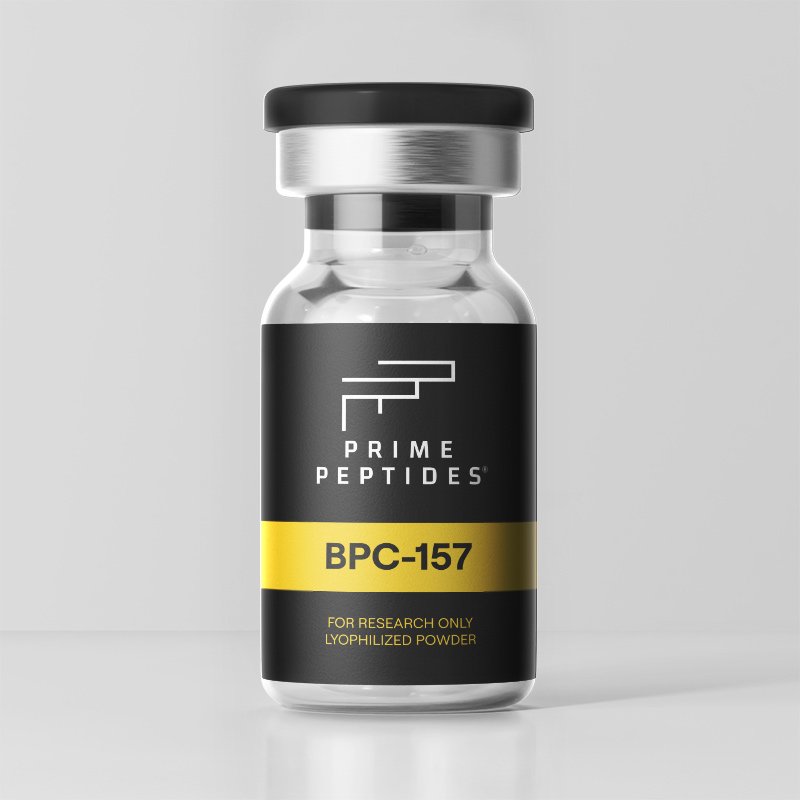
BPC-157 is a synthetic peptide derived from a naturally occurring protein found in gastric juice. The name stands for Body Protection Compound-157, and it has become one of the most widely discussed peptides in scientific research due to its potential regenerative and protective properties. Researchers have investigated BPC-157 in various preclinical studies involving tissue repair, cellular signaling, and recovery processes.
As interest in peptide science continues to grow, BPC-157 has attracted attention for its unique biological characteristics and broad range of research applications. While studies have produced promising findings, BPC-157 remains a research compound in many jurisdictions and should be used only in accordance with applicable regulations and research guidelines.
Understanding the Structure of BPC-157
BPC-157 is composed of a sequence of 15 amino acids. This peptide is known for its stability and resistance to breakdown under various conditions, making it an appealing subject for laboratory investigation. Researchers believe that its biological activity may involve interactions with growth factors, cellular signaling pathways, and mechanisms associated with tissue maintenance and repair.
Its relatively small size and distinct structure have contributed to ongoing scientific interest in understanding how BPC-157 influences different physiological processes.
How BPC-157 Works in Research Settings
Although the precise mechanisms continue to be studied, researchers have proposed several ways in which BPC-157 may influence biological systems. Studies suggest that the peptide may support cellular communication, promote angiogenesis (the formation of new blood vessels), and help regulate pathways involved in tissue recovery.
Scientists have also explored its potential effects on nitric oxide signaling, inflammatory responses, and cellular regeneration. These mechanisms are believed to contribute to the peptide’s growing popularity within research environments.
Potential Research Benefits of BPC-157
Tissue Repair and Regeneration Research
One of the most frequently studied aspects of BPC-157 is its potential role in tissue repair. Preclinical research has examined its effects on muscles, tendons, ligaments, and connective tissues. Investigators continue to evaluate how the peptide may support normal recovery processes at the cellular level.
Angiogenesis Support
Research suggests that BPC-157 may encourage the development of new blood vessels in experimental models. Healthy blood vessel formation is essential for delivering oxygen and nutrients to tissues, making angiogenesis an important area of scientific investigation.
Gastrointestinal Research Applications
Because BPC-157 originates from a gastric protein sequence, many studies have focused on gastrointestinal tissues. Researchers have explored its potential effects on the stomach lining, intestinal tissues, and digestive system integrity under various laboratory conditions.
Cellular Protection Studies
Scientists have also investigated whether BPC-157 may help support cellular resilience in response to environmental stressors. Its potential protective properties continue to be examined across multiple areas of peptide research.
Why Researchers Are Interested in BPC-157
The broad range of biological pathways potentially influenced by BPC-157 has made it a significant topic within peptide science. Researchers are particularly interested in its ability to interact with systems related to healing, tissue maintenance, and vascular function.
Areas of ongoing scientific interest include:
- Connective tissue research
- Muscle recovery studies
- Tendon and ligament investigations
- Gastrointestinal tissue studies
- Angiogenesis research
- Cellular signaling pathways
- Regenerative medicine exploration
These diverse applications continue to drive interest in understanding the peptide’s full biological potential.
BPC-157 and Regenerative Research
Regenerative medicine focuses on supporting the body’s natural repair mechanisms. Within this field, BPC-157 has emerged as a peptide of considerable interest due to findings from preclinical investigations involving tissue recovery and structural support.
Researchers continue to study how BPC-157 may influence cellular migration, growth factor activity, and tissue remodeling. Although much of the current evidence comes from laboratory and animal studies, these findings have contributed to the peptide’s growing prominence in scientific literature.
Quality and Purity Matter
When working with research peptides, product quality is essential. High-quality BPC-157 should be manufactured according to strict laboratory standards and undergo rigorous testing procedures to verify purity, identity, and consistency.
Researchers often look for products that offer:
- High purity levels
- Third-party testing
- Batch-specific documentation
- Reliable manufacturing standards
- Secure storage and handling procedures
Maintaining these quality measures helps ensure reliable and reproducible research outcomes.
Storage and Handling Considerations
Proper storage is critical for preserving peptide integrity. Research-grade BPC-157 should be stored according to supplier recommendations and protected from excessive heat, moisture, and direct sunlight.
Common best practices include:
- Refrigerated storage when required
- Use of sterile laboratory techniques
- Proper labeling and documentation
- Avoiding repeated temperature fluctuations
- Following established research protocols
Appropriate handling helps maintain the stability and quality of peptide materials throughout the research process.
BPC-157 in Modern Peptide Science
The expanding field of peptide research has placed compounds like BPC-157 at the forefront of scientific investigation. Researchers continue to explore its potential interactions with biological systems, particularly those related to tissue repair, vascular development, and cellular health.
As more studies are conducted, scientists hope to gain a deeper understanding of its mechanisms and broader applications. The growing body of literature surrounding BPC-157 reflects its importance within modern peptide research and regenerative science.
Conclusion
BPC-157 is a highly researched synthetic peptide known for its potential role in tissue repair, angiogenesis, gastrointestinal research, and cellular support. Its unique properties and promising preclinical findings have made it a valuable subject of investigation across multiple scientific disciplines.
While research remains ongoing, BPC-157 continues to attract attention from laboratories and researchers seeking to better understand regenerative processes and peptide-based biological mechanisms. For those engaged in peptide research, high-quality, research-grade BPC-157 remains an important compound within the evolving landscape of modern scientific exploration.