
Ipamorelin Peptide: Research Applications, Mechanism, and Scientific Interest
What Is Ipamorelin?
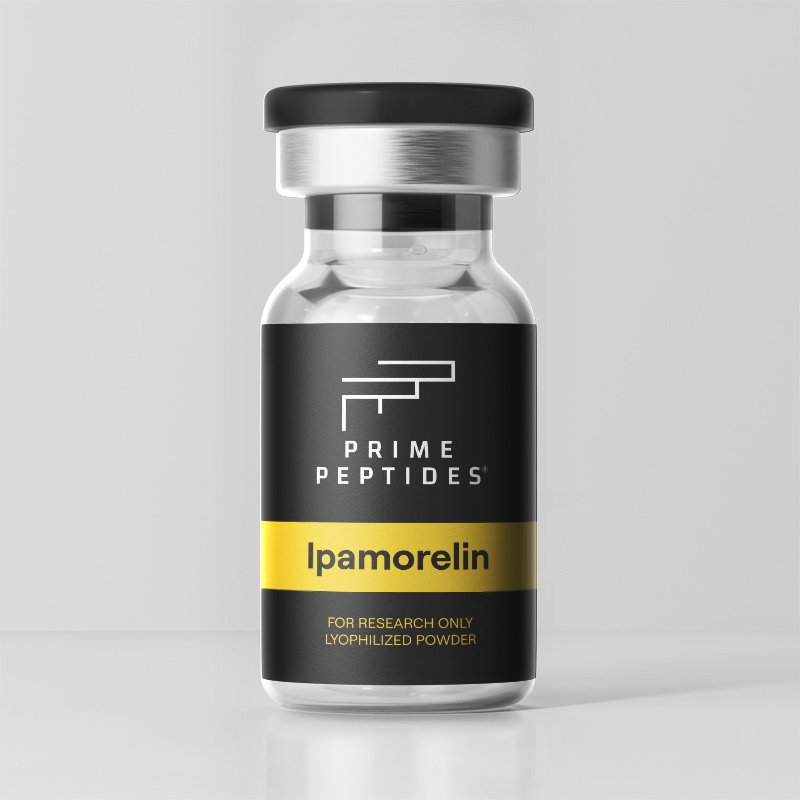
Ipamorelin is a synthetic pentapeptide that belongs to a class of compounds known as growth hormone secretagogues (GHS). It has become a widely studied peptide within scientific and research communities due to its ability to stimulate the release of growth hormone through specific receptor interactions. Researchers are particularly interested in Ipamorelin because it is considered highly selective when compared to earlier growth hormone-releasing compounds.
Developed to mimic the action of ghrelin, a naturally occurring hormone involved in growth hormone regulation, Ipamorelin has been the focus of numerous investigations exploring endocrine function, metabolism, tissue repair, and physiological performance. Its targeted mechanism has contributed to its popularity in peptide research laboratories around the world.
How Does Ipamorelin Work?
Ipamorelin functions by binding to growth hormone secretagogue receptors (GHS-R) located primarily in the pituitary gland and hypothalamus. This interaction stimulates the body’s natural production and release of growth hormone without directly supplying external hormones.
Unlike some earlier secretagogues, Ipamorelin has demonstrated a more selective action, producing minimal effects on other hormones such as cortisol and prolactin in many research settings. This selectivity has made it a valuable subject for studies focused on growth hormone pathways and endocrine regulation.
Researchers continue to investigate how Ipamorelin influences biological processes associated with growth hormone secretion, recovery mechanisms, and metabolic function.
Key Features of Ipamorelin
Selective Growth Hormone Release
One of the defining characteristics of Ipamorelin is its ability to stimulate growth hormone secretion while minimizing unwanted hormonal fluctuations. This targeted activity has distinguished it from several older growth hormone-releasing peptides.
Ghrelin Receptor Activation
Ipamorelin acts by activating ghrelin receptors, which play a significant role in growth hormone regulation. Through this pathway, researchers can study natural hormonal responses and endocrine signaling mechanisms.
Short Peptide Structure
As a pentapeptide consisting of only five amino acids, Ipamorelin possesses a relatively simple molecular structure. This simplicity contributes to its popularity in laboratory investigations and peptide research applications.
Research Versatility
Ipamorelin is frequently included in studies examining metabolism, muscle physiology, tissue repair, aging-related processes, and overall growth hormone function.
Scientific Research Areas Involving Ipamorelin
Growth Hormone Studies
Ipamorelin is most commonly researched for its effects on endogenous growth hormone secretion. Scientists use it to better understand hormonal signaling pathways and pituitary gland responses.
Recovery and Tissue Regeneration Research
Growth hormone plays an important role in tissue maintenance and repair. Researchers have explored whether Ipamorelin-induced growth hormone release may support cellular recovery mechanisms and regenerative processes in various experimental models.
Metabolic Function Investigations
Some studies focus on the relationship between growth hormone and metabolism. Researchers investigate how Ipamorelin may influence metabolic pathways, energy utilization, and body composition through hormonal regulation.
Healthy Aging Research
Growth hormone levels naturally decline with age. As a result, Ipamorelin has attracted attention in research related to aging, endocrine health, and age-associated physiological changes.
Exercise and Performance Science
Researchers examining exercise physiology frequently investigate growth hormone secretagogues to better understand their influence on recovery, adaptation, and physical performance markers.
Potential Advantages of Ipamorelin Research
High Receptor Selectivity
Ipamorelin’s receptor specificity allows researchers to study growth hormone pathways with fewer confounding hormonal effects than some alternative compounds.
Reduced Hormonal Disruption
Many investigations highlight the peptide’s limited influence on cortisol and prolactin levels compared with older growth hormone secretagogues, making it particularly attractive for targeted research.
Consistent Research Interest
The peptide remains one of the most extensively studied compounds in the growth hormone secretagogue category due to its favorable receptor profile and broad scientific relevance.
Compatibility With Other Research Peptides
In laboratory settings, researchers sometimes investigate Ipamorelin alongside other peptides to better understand synergistic biological mechanisms and hormonal interactions.
Why Researchers Study Ipamorelin
The growing interest in Ipamorelin stems from its unique balance of selectivity, effectiveness, and research versatility. Scientists continue to investigate how controlled growth hormone stimulation may influence numerous physiological systems, including muscle tissue, metabolism, recovery pathways, and endocrine health.
Its ability to trigger natural hormone release rather than supplying synthetic growth hormone directly provides valuable insights into the body’s own regulatory mechanisms. This makes Ipamorelin particularly useful for studying endocrine function and hormonal homeostasis.
Research Quality and Purity Considerations
When conducting peptide research, product quality remains essential. High-quality research-grade Ipamorelin should be manufactured under strict standards and accompanied by appropriate analytical documentation.
Researchers often prioritize products that feature:
- High purity levels
- Independent laboratory testing
- Batch-specific analysis reports
- Proper storage and handling procedures
- Reliable sourcing and manufacturing practices
These measures help ensure consistency and reliability throughout research projects.
Conclusion
Ipamorelin is a highly regarded growth hormone secretagogue that continues to attract significant attention within peptide research. Its selective mechanism of action, ghrelin receptor activity, and ability to stimulate natural growth hormone release have made it a valuable tool for studying endocrine function, metabolism, recovery processes, and healthy aging.
As scientific exploration advances, Ipamorelin remains an important peptide for researchers seeking a deeper understanding of growth hormone regulation and its impact on various physiological systems. With ongoing studies expanding knowledge in this field, Ipamorelin continues to hold a prominent position in modern peptide research.