
NAD+: Understanding the Essential Coenzyme for Cellular Energy and Healthy Aging
What Is NAD+?
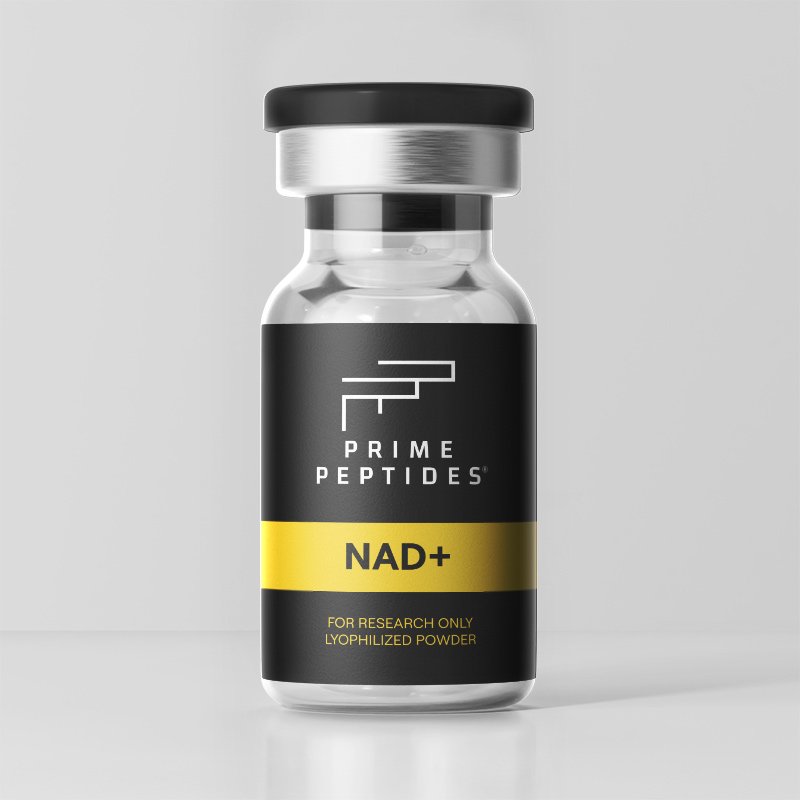
NAD+ (Nicotinamide Adenine Dinucleotide) is a vital coenzyme found in every living cell. It plays a critical role in cellular energy production, DNA repair, and numerous metabolic processes that support overall health. As one of the body’s most important biological molecules, NAD+ helps convert nutrients from food into usable energy, enabling cells to function efficiently.
Researchers have become increasingly interested in NAD+ because its levels naturally decline with age. This reduction has been associated with changes in energy metabolism, cellular function, and the body’s ability to respond to stress. As a result, NAD+ has become a significant focus in scientific studies exploring healthy aging, longevity, and cellular wellness.
How Does NAD+ Work?
NAD+ acts as a coenzyme that supports hundreds of biochemical reactions throughout the body. Its primary function is to facilitate the transfer of electrons during cellular respiration, the process by which cells generate energy in the form of ATP (adenosine triphosphate).
Beyond energy production, NAD+ is involved in activating enzymes known as sirtuins and PARPs. These enzymes play essential roles in DNA maintenance, cellular repair mechanisms, and the regulation of metabolic health. Because of these functions, NAD+ is often considered a cornerstone of healthy cellular activity.
The Importance of NAD+ for Cellular Energy
Supporting Mitochondrial Function
Mitochondria are often referred to as the “powerhouses” of cells because they generate the energy required for daily biological functions. NAD+ serves as a key component in mitochondrial energy production, helping convert carbohydrates, fats, and proteins into usable fuel.
When NAD+ levels are optimal, cells can efficiently produce energy and maintain healthy metabolic performance. Researchers continue to study how maintaining adequate NAD+ levels may support overall vitality and cellular efficiency.
Enhancing Energy Metabolism
Energy metabolism depends heavily on the availability of NAD+. Without sufficient amounts, many critical biochemical pathways become less efficient. This is one reason why scientists are investigating the relationship between NAD+ and age-related changes in energy levels and cellular performance.
NAD+ and Healthy Aging
Cellular Repair and Maintenance
One of the most exciting areas of NAD+ research involves its potential role in supporting cellular repair processes. NAD+ helps activate proteins that contribute to DNA maintenance and cellular resilience.
Every day, cells experience damage from environmental stressors, normal metabolic activity, and oxidative stress. NAD+-dependent enzymes assist in identifying and repairing this damage, helping cells maintain optimal function over time.
Supporting Longevity Research
Longevity researchers have extensively studied NAD+ due to its relationship with sirtuins, a family of proteins associated with cellular health and aging. While ongoing studies continue to explore these mechanisms, NAD+ remains a prominent subject in research focused on healthy aging and lifespan optimization.
Potential Benefits Associated with NAD+
Cellular Energy Support
NAD+ is best known for its role in supporting cellular energy production. Healthy NAD+ levels help ensure that cells have access to the energy required for proper biological function.
Cognitive Function Research
Researchers have investigated the potential relationship between NAD+ and brain health. Because neurons require substantial amounts of energy, maintaining efficient cellular metabolism may be important for supporting normal cognitive processes.
Metabolic Health
NAD+ participates in metabolic pathways that influence how the body processes nutrients and manages energy resources. Ongoing research continues to explore its role in maintaining metabolic efficiency.
Cellular Resilience
Through its involvement in DNA repair and cellular maintenance, NAD+ may help cells respond more effectively to physiological stressors and environmental challenges.
Why Is NAD+ Popular in Scientific Research?
The growing popularity of NAD+ in research stems from its involvement in multiple biological systems. Scientists continue to investigate how changes in NAD+ availability may affect:
- Cellular energy production
- Healthy aging processes
- DNA repair mechanisms
- Mitochondrial function
- Cognitive performance
- Metabolic regulation
- Cellular stress responses
Its broad impact on cellular biology makes NAD+ one of the most widely studied compounds in longevity and wellness research.
NAD+ and Mitochondrial Health
Mitochondrial health has become a major focus in modern biomedical research. Since NAD+ is directly involved in mitochondrial energy generation, researchers are exploring its potential role in maintaining efficient cellular function throughout the body.
Healthy mitochondria contribute to optimal energy production, physical performance, and overall cellular wellness. By supporting these essential processes, NAD+ remains a key area of scientific investigation.
Research Applications of NAD+
Researchers use NAD+ in a variety of scientific fields, including:
- Cellular biology
- Aging and longevity studies
- Metabolic research
- Neuroscience
- Mitochondrial function research
- Molecular medicine
- Regenerative science
Its widespread relevance across multiple disciplines highlights its importance in understanding fundamental biological processes.
Quality Matters When Choosing Research-Grade NAD+
For research purposes, product quality is essential. High-quality research-grade NAD+ should be manufactured according to strict quality standards and accompanied by appropriate testing documentation.
Researchers often seek products that provide:
- High purity standards
- Third-party testing
- Batch-specific documentation
- Consistent quality control
- Reliable storage and handling procedures
These factors help ensure research accuracy and reproducibility.
Conclusion
NAD+ is one of the most important coenzymes in human biology, playing a central role in cellular energy production, DNA repair, mitochondrial function, and healthy aging research. Its involvement in numerous biological pathways has made it a key focus for scientists studying longevity, metabolic health, and cellular resilience.
As interest in advanced cellular health continues to grow, NAD+ remains at the forefront of scientific exploration. Ongoing research will continue to expand our understanding of how this essential coenzyme contributes to overall cellular function and long-term biological wellness.