
Melanotan I: Research Peptide Overview, Mechanism, and Scientific Applications
What Is Melanotan I?
Melanotan I is a synthetic peptide developed as an analogue of alpha-melanocyte-stimulating hormone (α-MSH), a naturally occurring hormone involved in pigmentation processes within the body. Researchers have studied this peptide for its ability to interact with melanocortin receptors, particularly those associated with melanin production in skin cells.
Due to its stability and longer duration of activity compared to naturally occurring α-MSH, Melanotan I has become a subject of interest in peptide research. Scientists continue to investigate its biological properties, receptor interactions, and potential applications in dermatological and pigmentation-related studies.
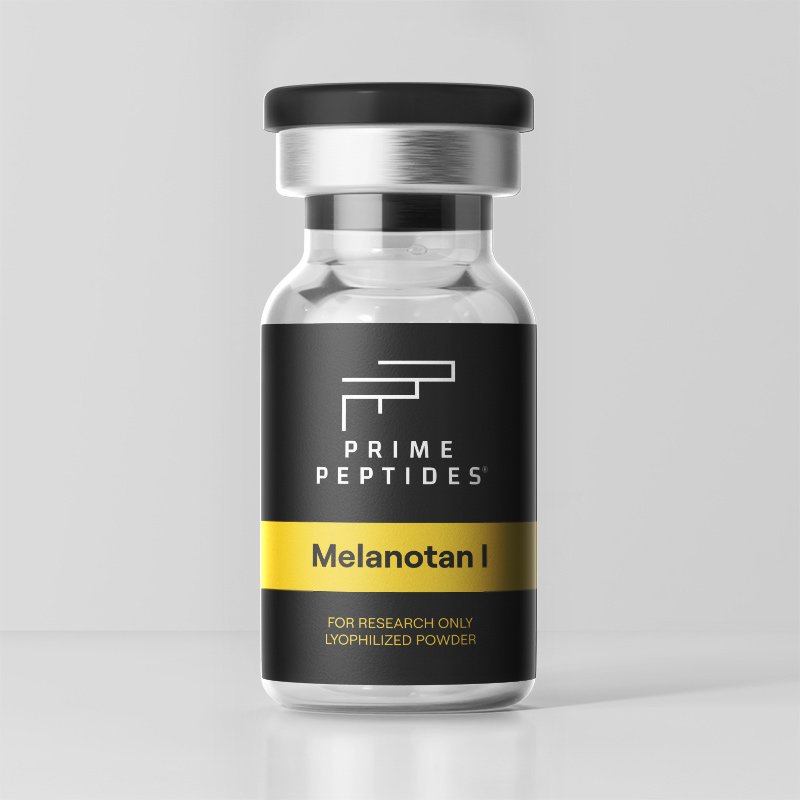
At UKPeptides, research-grade Melanotan I is supplied for laboratory and scientific research purposes only, with rigorous quality standards and batch documentation to support research integrity.
How Does Melanotan I Work?
Melanotan I functions by binding to melanocortin receptors, especially the MC1 receptor found on melanocytes. These specialized skin cells are responsible for producing melanin, the pigment that contributes to skin, hair, and eye coloration.
When activated, these receptors may stimulate biochemical pathways associated with melanin synthesis. Researchers have explored this mechanism to better understand pigmentation processes and the body’s natural response to ultraviolet (UV) exposure.
The peptide’s enhanced stability allows it to remain active longer than endogenous α-MSH, making it a valuable tool for controlled laboratory investigations.
Key Characteristics of Melanotan I
Synthetic Alpha-MSH Analogue
Melanotan I was specifically designed to mimic the biological activity of naturally occurring α-MSH while offering improved resistance to enzymatic degradation.
High Receptor Affinity
Research indicates that Melanotan I demonstrates strong affinity for melanocortin receptors, enabling scientists to study receptor-mediated pigmentation pathways in greater detail.
Extended Biological Activity
Compared with natural α-MSH, Melanotan I exhibits a longer half-life, allowing researchers to evaluate sustained receptor activation and downstream biological effects.
Widely Studied Research Peptide
Over the years, Melanotan I has been examined in various scientific studies focusing on melanogenesis, skin pigmentation, and melanocortin receptor biology.
Research Applications of Melanotan I
Pigmentation Research
One of the primary areas of investigation involves melanin production. Researchers use Melanotan I to better understand how melanocortin receptor activation influences pigmentation pathways and cellular responses.
Dermatological Studies
Scientists have explored Melanotan I in studies examining skin biology, pigment regulation, and the mechanisms responsible for maintaining normal pigmentation processes.
Receptor Biology Research
The peptide serves as a valuable research tool for investigating melanocortin receptor function and signaling pathways. These studies help expand scientific understanding of receptor-mediated biological responses.
Molecular and Cellular Investigations
Researchers continue to utilize Melanotan I in laboratory settings to examine cellular communication, gene expression, and peptide-receptor interactions related to melanogenesis.
Benefits of Research-Grade Melanotan I
High-quality research peptides are essential for generating accurate and reproducible results. Research-grade Melanotan I offers several advantages for scientific investigations:
- High purity standards
- Consistent batch quality
- Reliable peptide stability
- Laboratory testing and verification
- Suitable for controlled research environments
Using properly characterized peptides helps support research accuracy and data reliability throughout experimental studies.
Why Researchers Choose Melanotan I
Melanotan I remains a popular subject of scientific interest due to its well-documented mechanism of action and established role in melanocortin receptor research.
Researchers frequently choose this peptide because of:
- Extensive scientific literature
- Predictable receptor interactions
- Long-lasting biological activity
- Valuable applications in pigmentation studies
- Strong relevance to melanocortin biology
Its unique properties continue to make it a useful tool for laboratories studying peptide signaling and skin-related biological processes.
Quality Considerations When Purchasing Melanotan I
When sourcing Melanotan I for research purposes, quality assurance should be a primary consideration. Not all peptide suppliers maintain the same manufacturing and testing standards.
Researchers should look for products that offer:
Independent Quality Testing
Third-party analytical testing helps verify peptide identity, purity, and consistency.
Batch Documentation
Comprehensive batch records provide transparency and support reproducibility in scientific investigations.
Proper Storage and Handling
Maintaining peptide integrity requires appropriate packaging, storage conditions, and shipping procedures.
Trusted Research Supplier
Working with an established peptide supplier helps ensure access to reliable products and supporting documentation.
Storage Recommendations
Proper storage plays a critical role in preserving peptide stability. Researchers typically store lyophilized peptides under recommended laboratory conditions to help maintain integrity throughout the study period.
General best practices include:
- Keeping products in a cool, dry environment
- Protecting from excessive heat and moisture
- Following supplier storage recommendations
- Minimizing repeated exposure to environmental fluctuations
Adhering to appropriate storage protocols helps maximize peptide quality and consistency.
Research Use Disclaimer
Melanotan I supplied by research peptide companies is intended strictly for laboratory and scientific research purposes. It is not approved for human consumption, medical treatment, diagnosis, or therapeutic use unless specifically authorized by applicable regulatory authorities.
Researchers should conduct all investigations in compliance with relevant laws, regulations, and institutional guidelines.
Conclusion
Melanotan I is a well-known synthetic peptide that continues to attract attention within the scientific community for its role in melanocortin receptor and pigmentation research. Its enhanced stability, strong receptor affinity, and extensive research history make it a valuable tool for laboratories investigating melanin production and skin biology.
By sourcing high-quality research-grade Melanotan I from reputable suppliers and adhering to proper research protocols, scientists can support accurate, reproducible, and meaningful results in peptide-related studies. As interest in melanocortin biology continues to grow, Melanotan I remains an important compound in modern peptide research.