

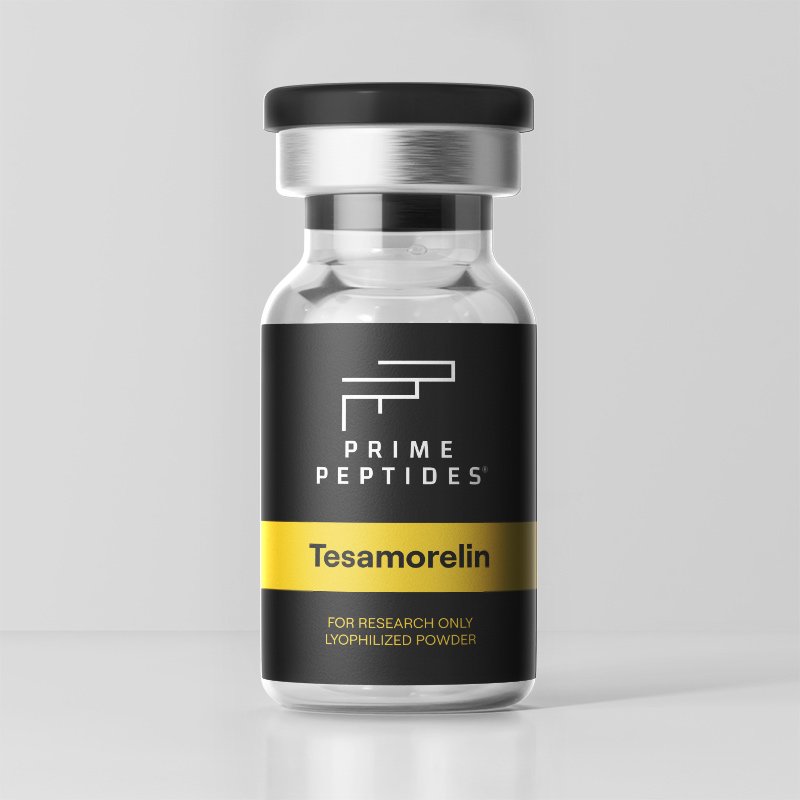
Tesamorelin: Research Peptide Overview, Mechanism, and Scientific Applications
What Is Tesamorelin?
Tesamorelin is a synthetic peptide analogue of growth hormone-releasing hormone (GHRH) that has attracted significant attention in scientific and clinical research. Designed to stimulate the natural release of growth hormone from the pituitary gland, Tesamorelin has been extensively studied for its effects on body composition, metabolism, and various physiological processes.
Researchers value Tesamorelin because it works by encouraging the body’s own growth hormone production rather than directly supplying growth hormone. This mechanism has made it a prominent subject in endocrinology, metabolic health, and peptide research. As interest in peptide science continues to expand, Tesamorelin remains one of the most widely investigated compounds in its category.
How Tesamorelin Works
Tesamorelin functions by binding to growth hormone-releasing hormone receptors located in the anterior pituitary gland. This interaction stimulates the secretion of endogenous growth hormone, which subsequently promotes the production of insulin-like growth factor 1 (IGF-1) in the liver.
The resulting increase in growth hormone activity influences several biological functions, including:
- Protein synthesis
- Fat metabolism
- Cellular repair processes
- Energy utilization
- Muscle tissue maintenance
Because Tesamorelin stimulates natural hormone pathways, researchers often study its effects on overall metabolic regulation and body composition.
Key Features of Tesamorelin
Synthetic GHRH Analogue
Tesamorelin is specifically engineered to mimic the activity of naturally occurring GHRH while offering enhanced stability and effectiveness in research applications.
Supports Natural Growth Hormone Release
Unlike exogenous growth hormone products, Tesamorelin encourages the body’s own production of growth hormone through physiological pathways.
Extensively Studied Compound
Tesamorelin has been investigated in numerous scientific studies focusing on metabolic health, body composition, and endocrine function.
Research-Grade Peptide
High-quality Tesamorelin used in laboratory settings is typically manufactured under strict quality standards and undergoes rigorous testing for purity and consistency.
Potential Research Applications of Tesamorelin
Body Composition Studies
One of the most widely researched areas involving Tesamorelin relates to body composition. Researchers have investigated its influence on fat metabolism and the distribution of adipose tissue within the body.
Studies suggest that increased growth hormone activity may contribute to changes in fat utilization and energy expenditure, making Tesamorelin a valuable tool in metabolic research.
Growth Hormone and IGF-1 Research
Tesamorelin is frequently used in studies examining the relationship between growth hormone and IGF-1 production. Understanding this hormonal pathway is important for researchers investigating aging, recovery, tissue repair, and overall physiological function.
Metabolic Function Research
Scientists continue to explore Tesamorelin’s potential effects on metabolic processes. Research has focused on glucose regulation, lipid metabolism, and energy balance, helping expand knowledge of endocrine system interactions.
Healthy Aging Investigations
Because growth hormone production naturally declines with age, Tesamorelin has become a subject of interest in research related to healthy aging and age-associated physiological changes.
Benefits of Tesamorelin in Research Settings
Supports Hormonal Pathway Studies
Tesamorelin allows researchers to evaluate how growth hormone-releasing hormone analogues influence endocrine function and downstream biological responses.
Reliable Mechanism of Action
Its well-documented interaction with GHRH receptors makes Tesamorelin a predictable and valuable compound for controlled scientific investigations.
Broad Research Potential
From metabolic health to body composition and hormonal regulation, Tesamorelin offers a wide range of applications for peptide researchers.
Established Scientific Literature
Compared to many emerging peptides, Tesamorelin benefits from a substantial body of published research, providing valuable insights for ongoing investigations.
Tesamorelin vs Other Growth Hormone Peptides
Researchers often compare Tesamorelin with other peptides that influence growth hormone production. While several compounds target similar pathways, Tesamorelin possesses unique characteristics that distinguish it within peptide research.
| Feature | Tesamorelin | Traditional GHRH Peptides |
|---|---|---|
| Stability | Enhanced | Variable |
| Growth Hormone Stimulation | High | Moderate |
| IGF-1 Response | Well Studied | Varies |
| Research History | Extensive | Limited |
| Endocrine Applications | Broad | Moderate |
These differences contribute to Tesamorelin’s popularity among researchers investigating hormone-related biological processes.
Research Quality and Purity Considerations
The quality of any research peptide is essential for obtaining reliable and reproducible results. When sourcing Tesamorelin for laboratory use, researchers often prioritize products that undergo:
- Independent purity testing
- Batch-specific documentation
- Quality assurance verification
- Controlled manufacturing processes
- Proper storage and handling procedures
Using high-quality research materials helps ensure consistency across experimental studies and analytical investigations.
Storage and Handling Guidelines
Tesamorelin should be stored according to manufacturer recommendations to maintain stability and integrity. Proper storage conditions may help preserve peptide quality throughout research use.
Researchers typically follow best practices that include:
- Refrigerated storage when required
- Protection from excessive heat
- Minimizing repeated exposure to light
- Maintaining sterile laboratory procedures
- Careful documentation of handling protocols
Adhering to these standards supports optimal research outcomes and product stability.
Conclusion
Tesamorelin is a highly regarded synthetic growth hormone-releasing hormone analogue that continues to play an important role in peptide and endocrine research. Its ability to stimulate natural growth hormone production has made it valuable for studies involving body composition, metabolic function, hormonal regulation, and healthy aging.
With a well-understood mechanism of action and a substantial body of scientific literature supporting its investigation, Tesamorelin remains a leading peptide within modern research environments. For laboratories and researchers seeking a reliable compound for growth hormone pathway studies, Tesamorelin continues to represent a significant area of scientific interest.